Door refinishing is a process that involves restoring and enhancing the appearance of wooden doors. Over time, doors can become worn, faded, or damaged due to exposure to sunlight, moisture, and everyday use. Refinishing offers a cost-effective solution to breathe new life into your doors without the need for replacement.
Wooden doors are a popular choice among homeowners due to their timeless beauty and durability. However, they require regular maintenance to keep them looking their best. Door refinishing involves stripping away the old finish, repairing any damage, and applying a fresh coat of stain or paint to protect the wood and enhance its natural beauty.
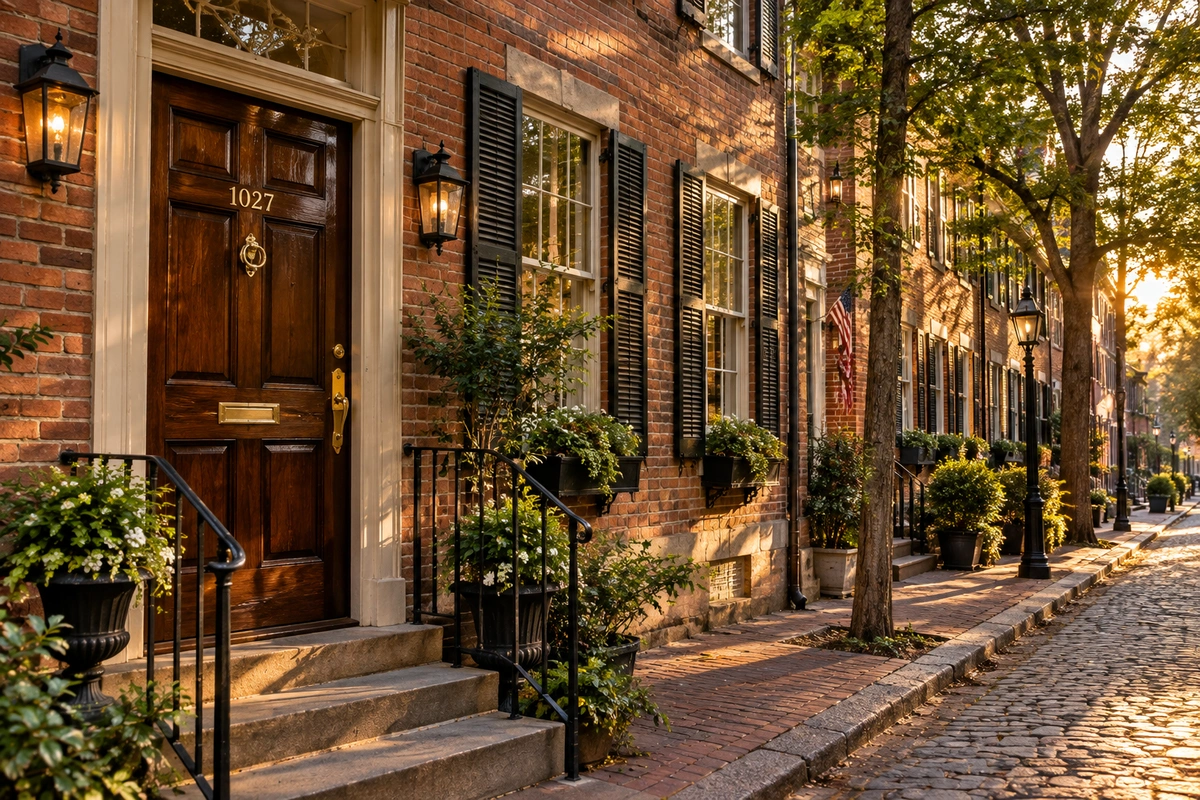
There are several reasons why homeowners should consider refinishing their doors. Firstly, it can significantly improve the curb appeal of your home. The front door is often the first thing visitors notice when they approach your house, and a beautifully refinished door can make a lasting impression.
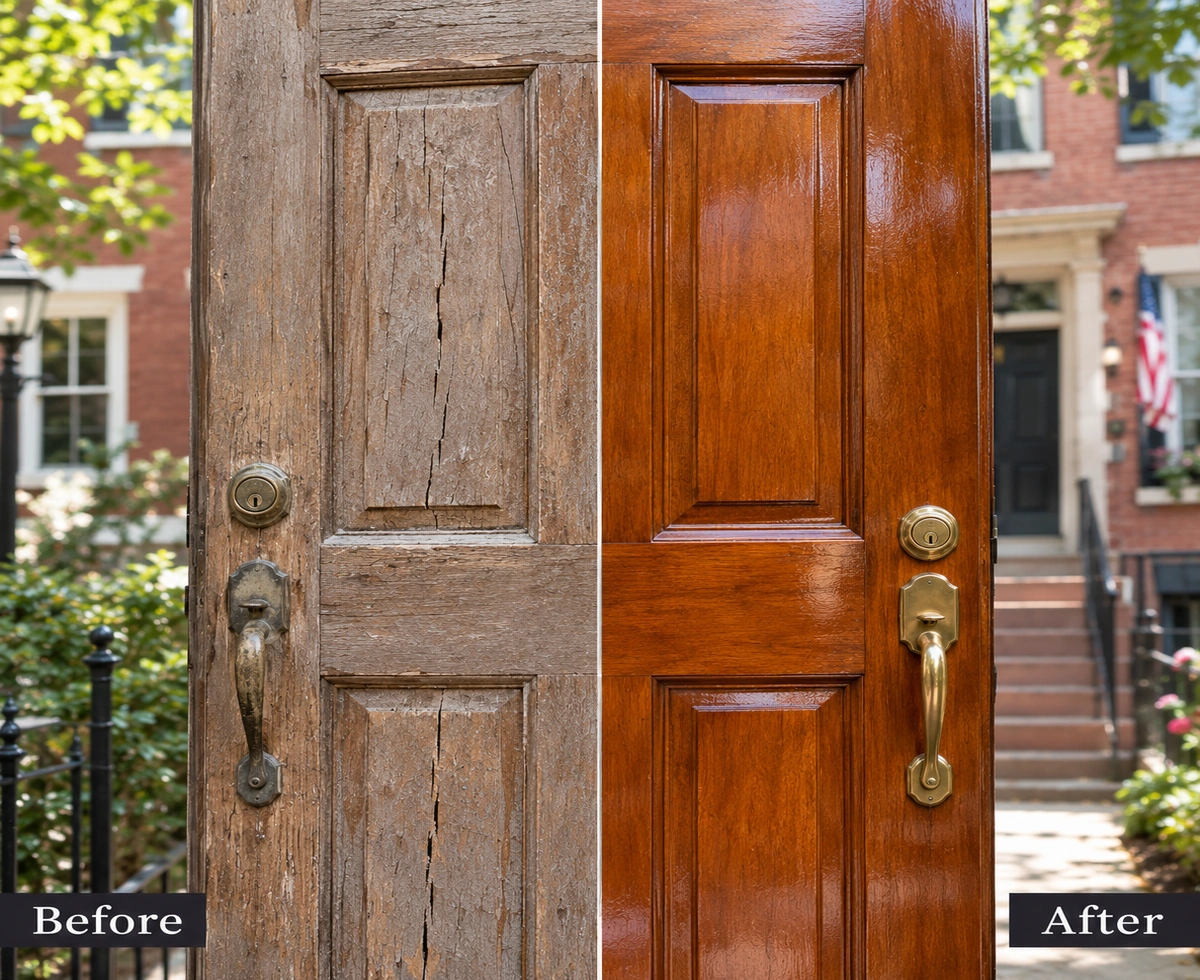
Secondly, door refinishing can increase the value of your property. Potential buyers are more likely to be attracted to a home with well-maintained doors that exude elegance and charm. Refinishing your doors can give your home an instant facelift and make it stand out in the real estate market.
Another benefit of door refinishing is that it extends the lifespan of your doors. Over time, wooden doors can become weathered and vulnerable to rotting or warping if not properly maintained. By refinishing them regularly, you protect them from moisture damage and prolong their longevity.
Furthermore, door refinishing allows you to customize the look of your doors according to your personal style preferences. Whether you prefer a natural wood finish that showcases the grain patterns or a bold color that complements your home’s exterior, refinishing gives you the freedom to achieve the desired aesthetic.
In addition to improving aesthetics, door refinishing also enhances functionality. Doors that have been refinished properly open smoothly without sticking or squeaking noises. This ensures a seamless transition between rooms and enhances the overall user experience.
When it comes to door refinishing, it is essential to choose the right materials and techniques for optimal results. The process typically involves several steps, including stripping the old finish, sanding the surface, repairing any damage, applying a new finish, and sealing it for protection. Each step requires careful attention to detail and expertise to ensure a flawless finish.
Call Us Today: tel:+15715009876
Washington DC’s Climate: Why Professional Refinishing Matters More Here Than in Most Regions
The DIY approach described above works — but Washington DC, Northern Virginia, and Maryland put a wood door through a genuinely harder cycle than most parts of the country. The region has hot, humid summers, cold winters with real freeze-thaw cycling, and heavy seasonal rainfall, all within the same calendar year. That combination is what actually determines how long a refinished door lasts, more than the refinishing technique itself.
| Condition | Typical Exposure in the DMV | Effect on Wood Doors | How Professional Refinishing Addresses It |
|---|---|---|---|
| Summer humidity | High, June through September | Wood swelling, finish delamination, sticking doors | Full strip to bare wood, moisture-appropriate conditioner, breathable sealant |
| Winter freeze-thaw cycling | Regular sub-freezing temperatures, December through February | Fine cracking in older finishes as trapped moisture expands and contracts | Flexible, multi-coat varnish system rather than a single rigid topcoat |
| UV exposure | Moderate to high, spring through fall | Stain fading and varnish chalking on south- and west-facing doors | UV-protected topcoat, glossy or satin, matched to the door’s sun exposure |
| Seasonal rainfall | Regular through spring and summer | Wind-driven moisture finding gaps in aging weatherstripping | Weatherstripping and threshold seal checked as part of every professional refinish |
This is also why a DIY refinish and a professional one can look identical on day one but age very differently. A store-bought finish is rarely formulated to handle a full DC-area year of humidity, freeze, and sun in sequence — it’s built for a more forgiving, single-condition climate. That’s the gap professional, climate-specific refinishing is built to close.
Step-by-Step Guide to Refinishing a Wooden Door
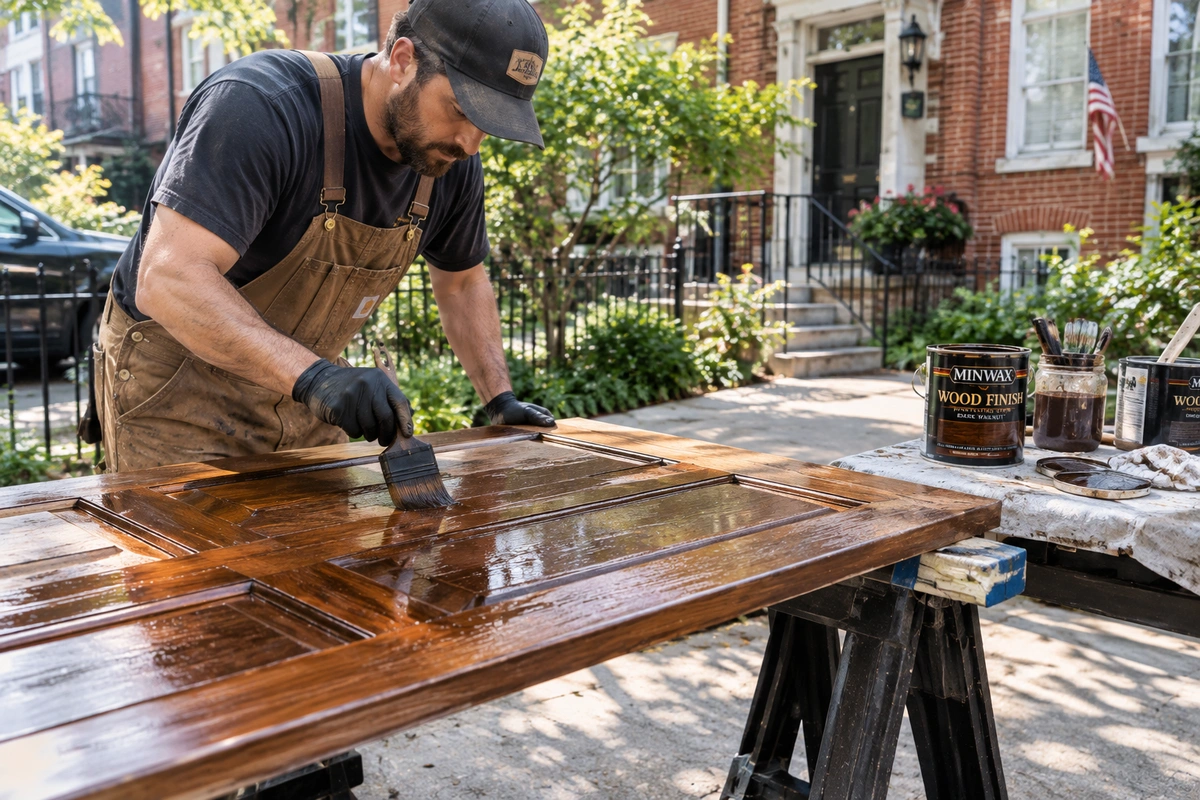
A wooden door can add warmth and character to any home, but over time, the finish may become worn or damaged. Refinishing your wooden door is a great way to restore its beauty and protect it from further deterioration. In this step-by-step guide, we will walk you through the process of refinishing a wooden door, from preparing the door for refinishing to applying the new finish.
Preparing the door for refinishing
Before you begin refinishing your wooden door, it’s important to properly prepare it. Start by removing the door from its hinges using a screwdriver or a drill. Lay the door flat on a pair of sawhorses or a workbench to make it easier to work on.
Next, clean the door surface thoroughly. Use a mild detergent mixed with water and a soft cloth or sponge to remove any dirt, grime, or grease. Pay special attention to areas around handles and locks where dirt tends to accumulate. Rinse off the cleaning solution with clean water and allow the door to dry completely before moving on to the next step.
Inspect the door for any damages or imperfections that need repair. Fill in any cracks, holes, or dents with wood filler using a putty knife. Smooth out the surface of the wood filler with sandpaper once it has dried. This will ensure that your finished door looks seamless and professional.
Stripping the old finish
Once your wooden door is clean and repaired, it’s time to strip off the old finish. There are several methods you can choose from depending on your preference and the type of finish on your door.
One option is chemical stripping. This involves applying a chemical stripper onto the surface of the door using a brush or roller. Follow the manufacturer’s instructions for application and wait for the stipulated amount of time for it to work. Once the old finish has softened, use a scraper or a putty knife to remove it. Be sure to wear protective gloves and goggles when working with chemical strippers and work in a well-ventilated area.
Another option is mechanical stripping, which involves using sandpaper or a power sander to remove the old finish. This method requires more physical effort but can be effective for smaller areas or if you prefer not to use chemicals. Start with coarse-grit sandpaper to remove the majority of the old finish, then switch to finer-grit sandpaper for a smoother surface.
After stripping off the old finish, make sure to safely dispose of any stripping materials according to local regulations.
Sanding the door
Once the old finish has been stripped off, it’s important to sand the door surface to create a smooth and even canvas for the new finish. Start by selecting the appropriate sandpaper grit based on the condition of your door. If there are deep scratches or rough patches, start with a coarser grit (around 80-100) and gradually move up to finer grits (around 120-220) for a polished finish.
Using a sanding block or an electric sander, sand along the grain of the wood in long, even strokes. Be sure to apply consistent pressure and avoid pressing too hard as this can damage the wood. Sand all surfaces of the door including edges and corners.
After sanding, wipe down the door with a clean cloth or tack cloth to remove any dust and debris. This will ensure that your new finish adheres properly.
Applying the new finish
Choosing the right finish for your wooden door is crucial for achieving both aesthetic appeal and long-lasting protection. There are various options available such as paint, stain, varnish, or polyurethane. Consider factors such as durability, color preference, and desired level of sheen when making your selection.
Before applying the new finish, make sure to read and follow the manufacturer’s instructions. Apply the finish evenly using a brush or a roller, following the grain of the wood. Work in small sections to avoid drips or uneven coverage.
Allow sufficient drying time between coats as specified by the manufacturer. Sand lightly between coats with fine-grit sandpaper to ensure a smooth finish. Apply multiple coats for added durability and depth of color, allowing each coat to dry completely before applying the next.
Tips for achieving a professional-looking result
To achieve a professional-looking result when refinishing your wooden door, consider these tips:
- Use high-quality tools and materials. Investing in good quality brushes, rollers, and finishes will make a noticeable difference in the final outcome.
- Apply multiple coats of finish for a durable and long-lasting result. Each coat adds an extra layer of protection and enhances the appearance of your door.
- Properly seal the edges of your door to prevent moisture from seeping in. This can be done by applying an additional layer of finish to the edges or using edge-sealing products specifically designed for wooden doors.
By following this step-by-step guide and implementing these tips, you can successfully refinish your wooden door and restore its beauty. Remember to take your time, be patient, and enjoy the process of transforming your door into a stunning focal point for your home.
Why DC-Area Homeowners Often Choose On-Site Professional Refinishing Instead
The DIY process above is accurate, but it leaves out something worth knowing before you commit a weekend to it: removing a door from its hinges is where most DIY refinishing projects actually go wrong. A door that’s been hung for decades doesn’t always rehang perfectly — hinge mortises wear unevenly, frames shift slightly over time, and getting a door to swing and seal correctly again after reinstallation takes more precision than it looks like it should. That’s the main reason DoorStain refinishes doors on-site, in place, without removing them from the frame in nearly every case. We bring our full stripping and finishing setup to your driveway or garage, strip the door exactly as described above, then apply our proprietary five-material stain technique and three coats of marine-grade, UV-protected varnish — built specifically for the humidity, freeze-thaw, and UV cycle detailed in the climate table earlier in this guide. Most single-door projects finish in one to two days, and the door never leaves your property.
Door Refinishing in Washington DC’s Historic Neighborhoods
Washington DC has more historic-district regulation packed into a small area than almost any other American city, and it directly affects how a front door project gets approved — or whether it needs approval at all.
| Neighborhood | Review Authority | What This Means for Door Projects |
|---|---|---|
| Georgetown | Old Georgetown Board (OGB), an advisory board to the U.S. Commission of Fine Arts, under the federal Old Georgetown Act of 1950 | Nearly all visible exterior work — explicitly including doors — requires federal review before a permit is issued. This is unique to Georgetown; no other DC neighborhood has federal-level door review. |
| Capitol Hill | DC Historic Preservation Review Board (HPRB) | Exterior alterations visible from public space go through DC’s standard historic preservation review, administered locally rather than federally. |
| Dupont Circle | DC Historic Preservation Review Board (HPRB) | Same DC-administered process as Capitol Hill, applied to Dupont Circle’s historic rowhouses and apartment buildings. |
The practical takeaway for homeowners in any of these neighborhoods is the same one that applies to historic districts everywhere: refinishing an existing door generally avoids the review process that a replacement would trigger, since you’re restoring the original rather than proposing a new design for a board to evaluate. In Georgetown specifically, where even a door replacement can mean months of review before the Old Georgetown Board, that distinction matters more than almost anywhere else in the region. We’re not attorneys or permit expediters — for a specific compliance question, confirm directly with DC’s Historic Preservation Office or, in Georgetown, with the Commission of Fine Arts — but refinishing your existing door is, in the large majority of cases, both the historically appropriate and the faster path. Homeowners outside these three neighborhoods aren’t exempt from thinking about this either — HOA covenants on many newer developments across Northern Virginia and Maryland cover exterior door color and finish too, so it’s worth checking your own documents regardless of whether you’re in a federally or locally regulated historic district.
Choosing the Right Door Refinishing Service in Washington DC, Virginia & Maryland
When it comes to door refinishing in Washington DC, Virginia & Maryland, choosing the right service provider is crucial to ensure a successful and satisfactory outcome. With numerous options available, it can be overwhelming to make a decision. However, by following a few essential steps, you can narrow down your choices and select the best door refinishing service in Washington DC, Virginia & Maryland.
Researching and Comparing Door Refinishing Services
The first step in choosing the right door refinishing service is conducting thorough research. Start by making a list of potential companies that offer door refinishing services in Washington DC, Virginia & Maryland. Look for companies that specialize in wooden door restoration and have experience working with different types of doors. Check their websites to gather information about their services, expertise, and customer testimonials.
Checking for Proper Licensing and Insurance
Before finalizing your decision, it’s important to ensure that the door refinishing service you choose is licensed and insured. A reputable company will have the necessary licenses required by state or local authorities to operate legally. Additionally, they should carry liability insurance to protect both their employees and clients in case of any accidents or damages during the refinishing process.
Reading Customer Reviews and Testimonials
One of the best ways to gauge the quality of a door refinishing service is by reading customer reviews and testimonials. Look for reviews on trusted platforms such as Google My Business, Yelp, or Angie’s List. Pay attention to both positive and negative feedback to get a comprehensive understanding of customers’ experiences with different companies.
Requesting Cost Estimates and Timelines
To make an informed decision, it’s essential to obtain cost estimates and timelines from multiple door refinishing services. Contact each company on your list and provide them with details about your specific project requirements. Ask for detailed quotes that include all costs involved, such as labor, materials, and any additional services they may offer. Additionally, inquire about their estimated timeline for completing the job.
While cost is an important factor to consider, it shouldn’t be the sole determining factor. Take into account the quality of their work, reputation, and customer service when comparing quotes.
Choosing the right door refinishing service in Washington DC, Virginia & Maryland is a decision that should not be taken lightly. By conducting thorough research, checking for proper licensing and insurance, reading customer reviews and testimonials, and requesting cost estimates and timelines, you can make an informed choice. Remember to prioritize expertise, professionalism, and customer satisfaction when selecting a door refinishing service. With the right professionals by your side, you can transform your worn-out wooden door into a beautiful centerpiece that enhances the overall aesthetic of your home.
How DoorStain Compares on the Factors That Actually Matter
The section above tells you what to look for in general terms. Here’s how that checklist plays out specifically in the DC, Virginia, and Maryland market:
| Factor | General DMV Painters / Handymen | DoorStain |
|---|---|---|
| Core specialty | Wall and trim painting, general repairs | Wood door refinishing and restoration exclusively |
| Service location | Often requires door removal and drop-off | On-site, in nearly every case — the door never leaves your property |
| Historic district experience | Varies, not always door-specific | Familiar with the Old Georgetown Act, HPRB review, and how refinishing sidesteps both |
| Stain process | Typically one or two coats, standard stain | Three to five coats, five-material proprietary technique |
| Topcoat | Interior-grade or single-coat sealant | Three coats of marine-grade, UV-protected varnish, glossy or satin |
For a broader look at our full service area, our DC, Virginia & Maryland service area page covers coverage in detail across Washington DC door refinishing, Virginia door refinishing, and Maryland door refinishing, including Arlington door refinishing, Alexandria door refinishing, Fairfax County door refinishing, and Montgomery County door refinishing.
Real Reviews from Washington DC, Virginia & Maryland Homeowners
We’re rated 4.9 stars across 100 Google reviews, and we’d rather let recent DMV-area customers describe the work than describe it ourselves.
“I was searching for the best door refinishing in DC to save my weathered entryway, and I’m so glad I found this team. They are hands-down the experts in wood door restoration. My front door staining looks incredible, the finish is smooth, durable, and completely transformed our home’s curb appeal. It’s hard to find reliable exterior door refinishing in the Washington DC area, but they were professional, on time, and handled the entire sanding and sealing process on-site.” — Hoordad Sharif
“I would 100% recommend! The experience of having our doors refinished was excellent, from start to finish. The response to my initial inquiry was quick, the quoting process was clear and fair, the craftsmen arrived on time, they knew the work that was to be done, the work was done with care and attention to detail, and the area was left safe and clean. The cost of a set of new fiberglass doors was going to be astronomical, and after seeing our beautiful wood doors brought back to life, we know we made the right decision.” — Brooke Piercy
“DC Wood Door Refinishing Restoration did an awesome job refinishing our front and side doors after 12 years without any maintenance. The company was responsive and scheduled/finished the work quickly and with supreme quality. And the before and after photos really say it all!” — Jacey Spratt
Maintaining and Caring for a Refinished Door
Maintaining and caring for a refinished door is essential to ensure its long-lasting beauty and functionality. By following a few simple steps, you can keep your door looking as good as new for years to come.
Regular cleaning and dusting are key to maintaining the appearance of your refinished door. Use a soft cloth or feather duster to gently remove any dust or debris that may accumulate on the surface. Avoid using harsh chemicals or abrasive cleaners, as these can damage the finish of your door. Instead, opt for a mild soap solution or a specialized wood cleaner recommended by the door refinishing service.
In addition to regular cleaning, it is important to periodically inspect your refinished door for any damages or wear. Check for any signs of chipping, cracking, or peeling in the finish. If you notice any areas that need attention, contact a professional door refinishing service in Washington DC, Virginia & Maryland to address the issue promptly.
Applying a fresh coat of finish when necessary is another important aspect of maintaining a refinished door. Over time, the protective finish on your door may wear off due to exposure to sunlight and everyday use. To keep your door looking its best, consider applying a new coat of finish every few years or as recommended by the refinishing service. This will help protect the wood from moisture and UV damage while enhancing its natural beauty.
In conclusion, proper maintenance and care are vital for preserving the beauty and longevity of a refinished door. Regular cleaning and dusting, avoiding harsh chemicals, periodic inspections for damages, and applying fresh coats of finish when necessary are all essential steps in ensuring that your refinished door remains in optimal condition. By following these guidelines and choosing the right door refinishing service in Washington DC, Virginia & Maryland, you can enjoy the benefits of a beautifully restored wooden door for years to come.
Remember that maintaining your refinished door is not only about aesthetics but also about protecting your investment. By taking care of your door, you can extend its lifespan and avoid costly repairs or replacements in the future. So, make sure to include regular door maintenance as part of your home improvement routine. With proper care, your refinished door will continue to enhance the beauty and value of your Washington DC, Virginia & Maryland home for many years to come.
Get Your Free Door Refinishing Quote
If your DIY refinish has you reconsidering, or you’d rather skip straight to a professional, on-site job built for DC’s climate, send us photos of your door and we’ll follow up with next steps — no obligation.